The Landscape of the Table
Across most board game groups, there are many different “architypes” of players. These can range from “analysis paralysis”, “the engine builder”, “I’m just here for us all to have fun”, or the ever present “rules monger” to name just a few. These are all common gamer personalities that I’ve come across over the years, but in my opinion, they all tend to lean towards a more passive and non confrontational play style.
The High Cost of Being “Nice”
How many times have you sat through a 3-4 hour game where all the players were afraid to interact with other player’s meeples, controlled board state, or established engine components because there is a general unwillingness to be the “bad guy”? How many of these play sessions felt like they dragged on until the inevitable conclusion where we all count up our victory points, but never feel that anything epic or noteworthy occurred?
Confessions of the Table Villain
In this completely biased and non-scientific treatise, I’d like to push forth the idea that being the aggressive player at the table is not a scarlet letter of shame, but rather an integral and important play style that can keep a board state moving and lead to more epic clashes and player interaction. Like previously stated, I am biased on this opinion because I fill the role of my game group’s “big bad” archetype. To quote Taylor Swift, “it’s me, hi, I’m the problem, it’s me.”
The Origin Story: Forged in the Fires
My current board game group was originally established in 2013 and I have been filling the role of the “big bad” since its inception. I’m the one who everyone assumes is the non-human traitor, the one to look out for in deals, or the player who makes everyone side eye just how big their armies are starting to get. This reputation is well earned from the years of games where I’ve danced on the razor’s edge of victory or defeat to claim the glory of “Cool Dude Champion” of a game night. While I will very often over leverage myself, I find that I end up winning games more often than not and am typically an active member in epic gaming moments. My competitiveness and aggressive play style was forged in the fires of high school and collegiate basketball where I developed the mentality that a strong offense can beat good defense, three points are worth more than two, and keeping your opponent off balance can lead to opportunities for success. Out maneuvering an opponent in a game scratches that same competitive itch that is deep in the core make up of who I’ve been my entire life.
The Catalyst: Breaking Game Stagnation
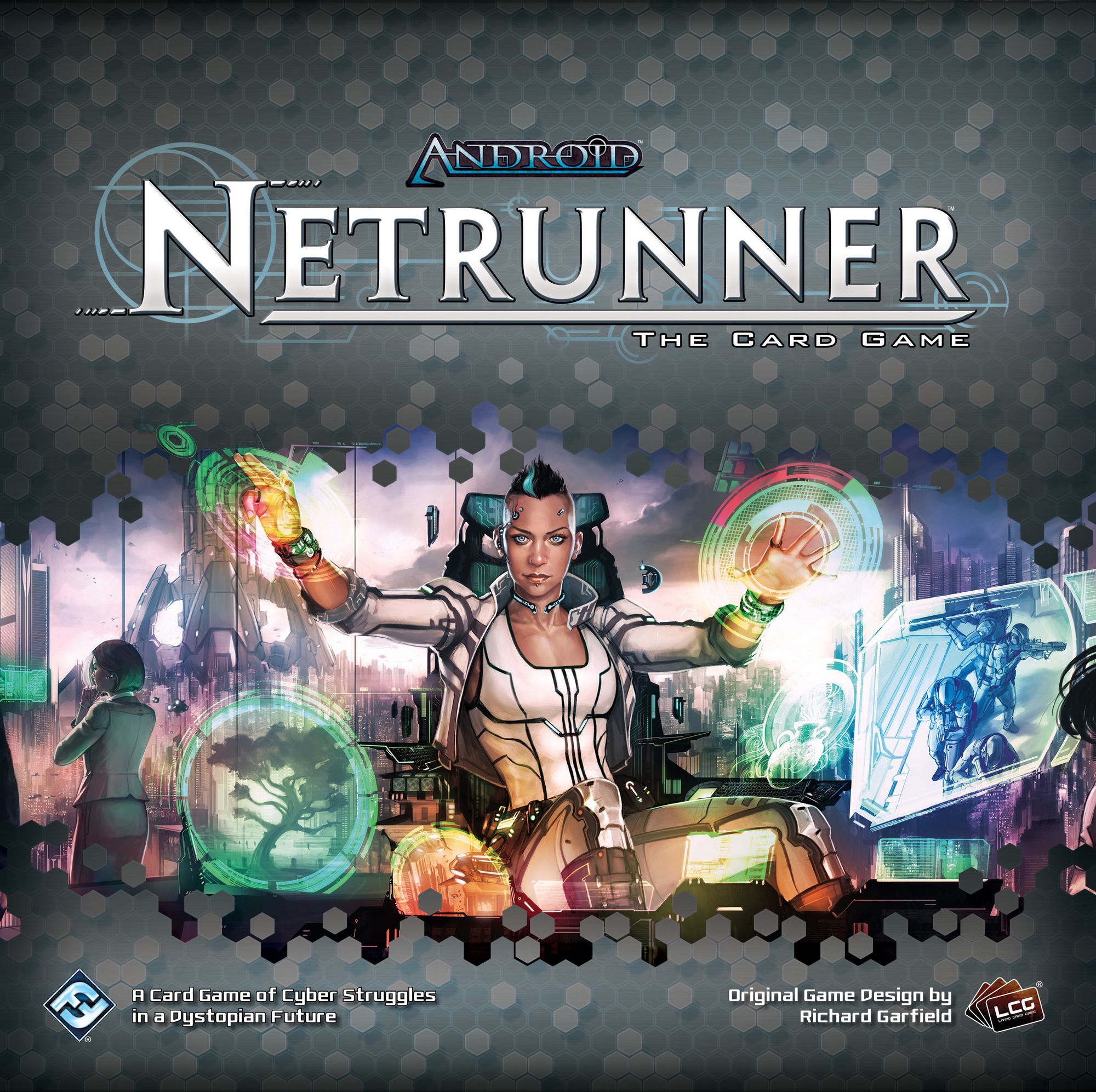
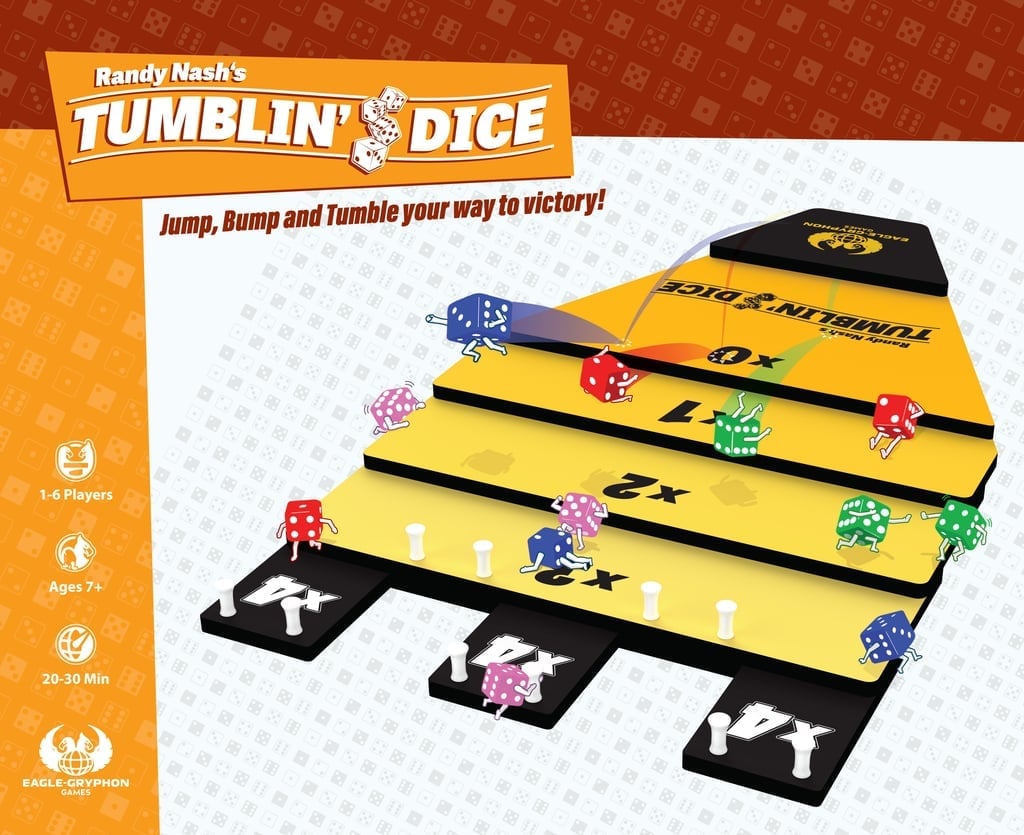
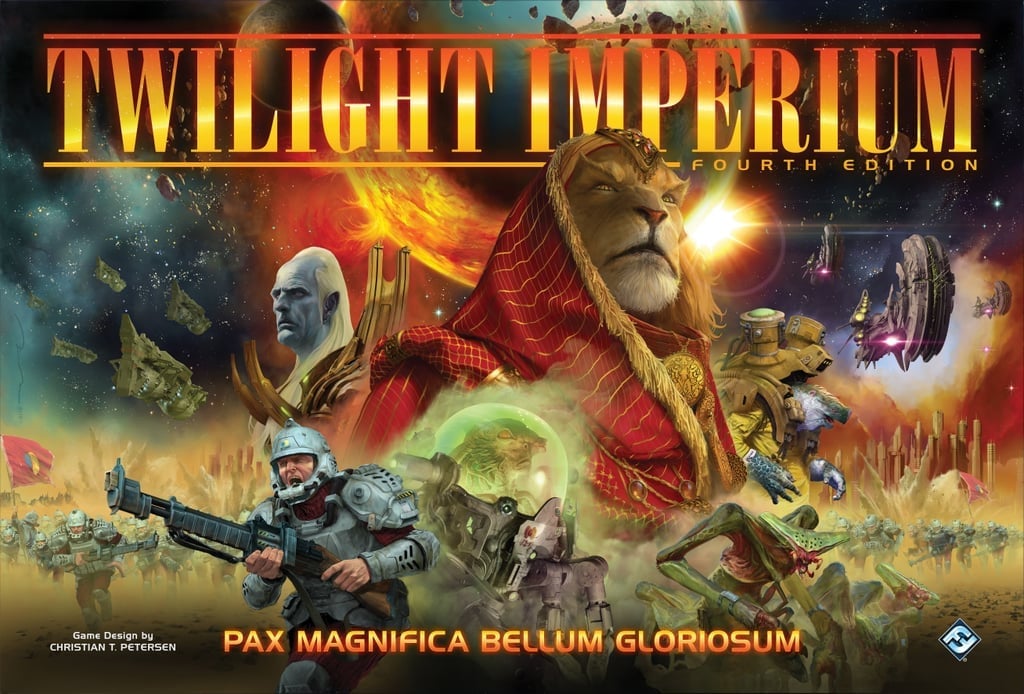
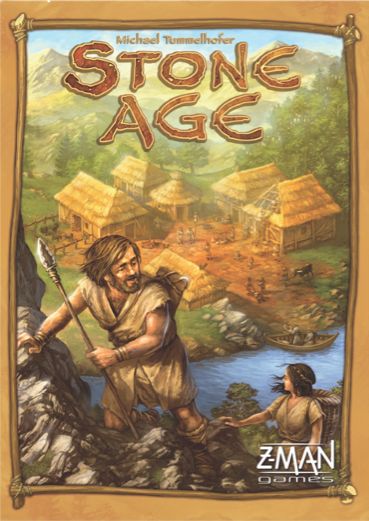
Like a controlled burn, looking to actively assert your board state can lead to growth within a game. Many times, it can set the tone and signal to other players that they may need to get out of their comfort zone and try new strategies that are less passive in nature. It can avoid “game stagnation” where hours drag by and players are just interacting with the pieces directly in front of them and afraid to bump up against their neighbors. A great example of this from my group is how the majority of our players play the game Twilight Imperium. Everyone likes to slowly move out from their homeworld, hoard all their ships and technology, and eventually swipe just a few times at their neighbors when the fleet gets to imperial sizes. For a game that can take up to 2 days to play, sitting around and waiting for action and cool stuff to happen is a mental grind for me. I’m of the opinion that there is little point to having cool stuff if you never get to use it. Take a chance, assert your dominance, and push other players to interact more! Has this led to me trying a starvation strategy in the Stone Age, making a glory run on R&D with a maker’s eye during Netrunner with the risk of a flat line, or yeeting my dice off the end of the board during Tumblin’ Dice? Absolutely and I’ll do it again every time!
Social Cues and the “Take That” Spirit
Some games are designed to have players interact and feed into a “take that” play style. I’ve seen more passive groups try to play these and it just doesn’t work. Long turns that drag out and by round 3, everyone who isn’t the active player is looking at their phone not living in the spirit of what game nights should be. Bringing a more open and aggressive mode of play to these games can be the social cue that it’s ok for other members to scrum it up. Before you know it, everyone has enjoyed a type of game that maybe isn’t the usual choice for game night.
The Villain’s Code: With Great Power…
Uncle Ben once said, “with great power comes great responsibility” and any aggressive player at the table should heed these wise words. There is a tact to playing this way and a player needs to read the room/table a bit to know where the line is between forcing a “ooh I need to change how I’m playing” and “now I’m pissed with a table flip moment.” I’ve made mistakes in the past which I’ve had to learn from (taking Tom’s TI Homeworld on his birthday), but I think these moments have made me a more conscientious gamer in the end. Be careful with trash talking unless you know the players well. Use it minimally, especially during a critical moment of a game where victory hinges in the outcome. Emotions can run high and throwing unnecessary goading or peacocking to these moments is just a self-inflicted injury that you will regret later. Finally, you need to be able to take what you are dishing out. Understand that the players at the table may all gang up to push you back behind the gates of Mordor, but honestly, doesn’t that make for a fun story to tell afterwards? I always remember the fun interactive moments and epic climaxes of a well played game more than how many points I score or if I won in the end.
Conclusion: The Journey and the Blaze of Glory
In closing, if you are an aggressive player or have just thought about trying to be one, don’t hide your light under a bushel basket! I firmly believe that every game needs to have a player who is forcing the tempo of a game and it can compliment and evolve other gamer’s play styles. Learn to read the room, look to be an active participant during “epic moments”, and know that you are going to win some/lose some at the end of the day. You may flame out in a blaze of glory, but isn’t the journey more important than the destination?